While house sitting provides an avenue for budget-friendly travel, should not be mistaken for a free holiday. This arrangement rests on a service-in-exchange-for-accommodation foundation, making it essential for you, as a house sitter, to carry out the commitments you’ve agreed upon with homeowners.
One house sit assignment can and will be very different from the next, and each of them comes with its own set of rules and expectations. Some assignments are very straightforward, involving minimal obligations, whilst others entail daily tasks that may pose unique challenges. The key to a successful experience is to seek clarity on expectations, assess your own capabilities and comfort thresholds, and do so before making a firm commitment.
While these insights may seem self-evident, it’s common for individuals, especially newcomers, to initially underestimate the scope of responsibilities (we’ve all been there!), and the last thing you want is to feel overwhelmed by the reality of it all in the middle of a long term sit.
Pet Care
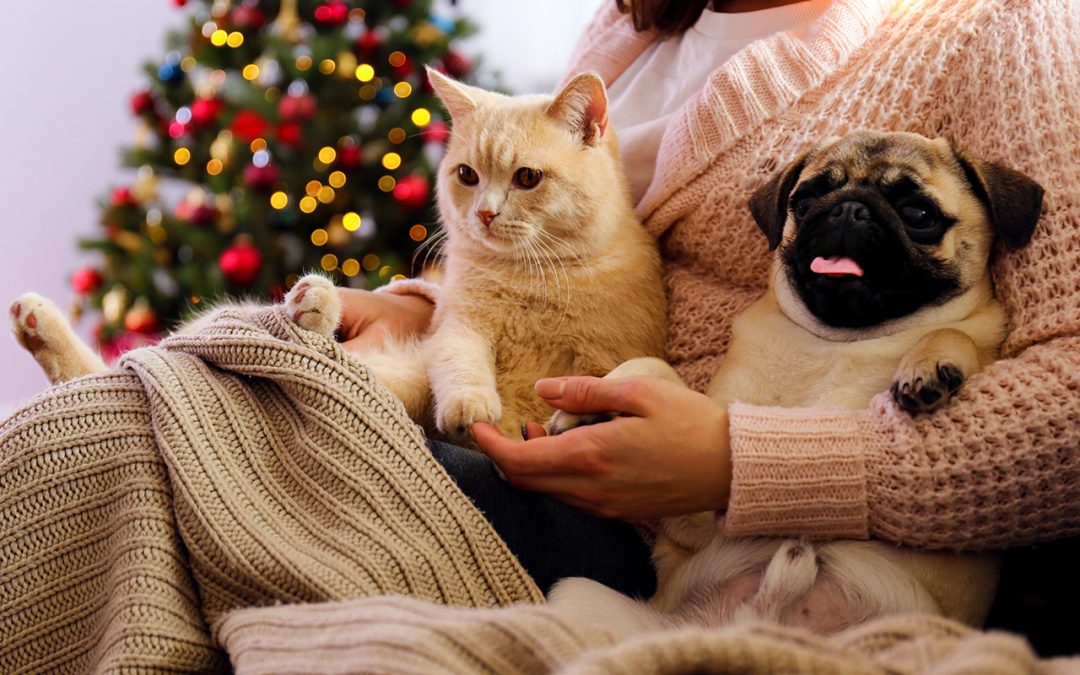
Pet care is the most common reason why homeowners engage the services of house sitters. On average, 95% or more of the house sits advertised in the platforms include caring for pets in the list of responsibilities.
Many pets get stressed and even sick when taken out of their familiar environment. Since they are more often than not considered members of the family, the mere thought of putting them in kennels or catteries is a source of stress for their humans as well.
Not to mention that the cost of housing a pet in a specialised venue can soon add up and become very costly.
However keeping the pets at home often means having to rely on friends and family to take on the responsibility of visiting daily, and many people are reluctant to keep asking for this kind of favour.
It is also not unusual to find people who have recently moved overseas and have not yet created a support circle of people they can rely on. House sitters to the rescue!
Having full time house sitters at home also means that the pets get plenty of attention and the daily routines that they are used to remain intact. Indeed, house sitters become substitute parents for the pets, loving and caring for them as if they were their very own.
Home Maintenance and Upkeep
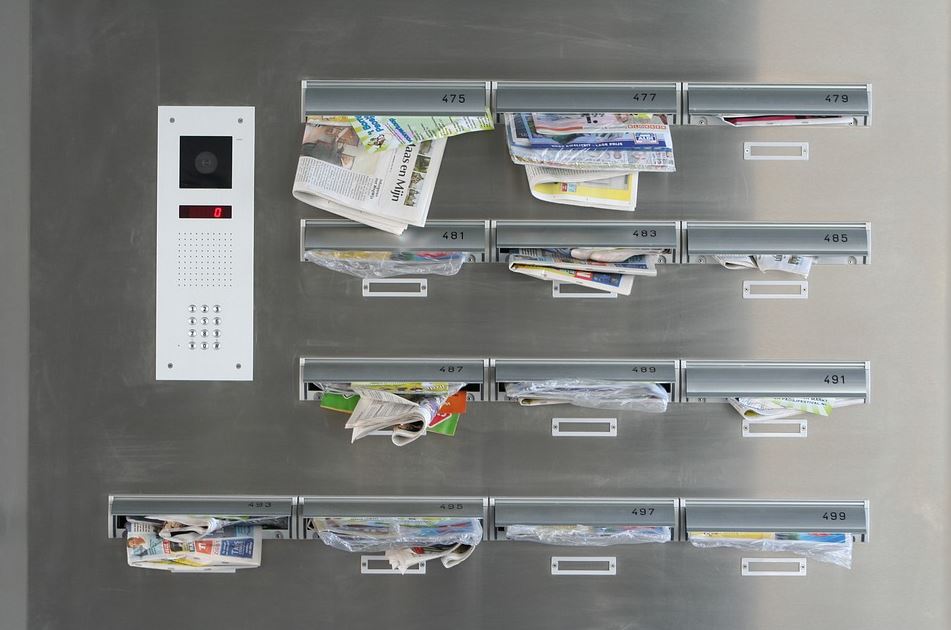 Other typical requirements are simple routine household tasks such as bringing in the mail, taking out the rubbish and recycling, and generally keeping the house in good order and cleaning up after yourself.
Sometimes you may be required to perform more physically demanding tasks, such as shovelling snow in the winter to keep paths clear, so it is important that you are physically capable of handling such tasks.
Plant and Garden Care
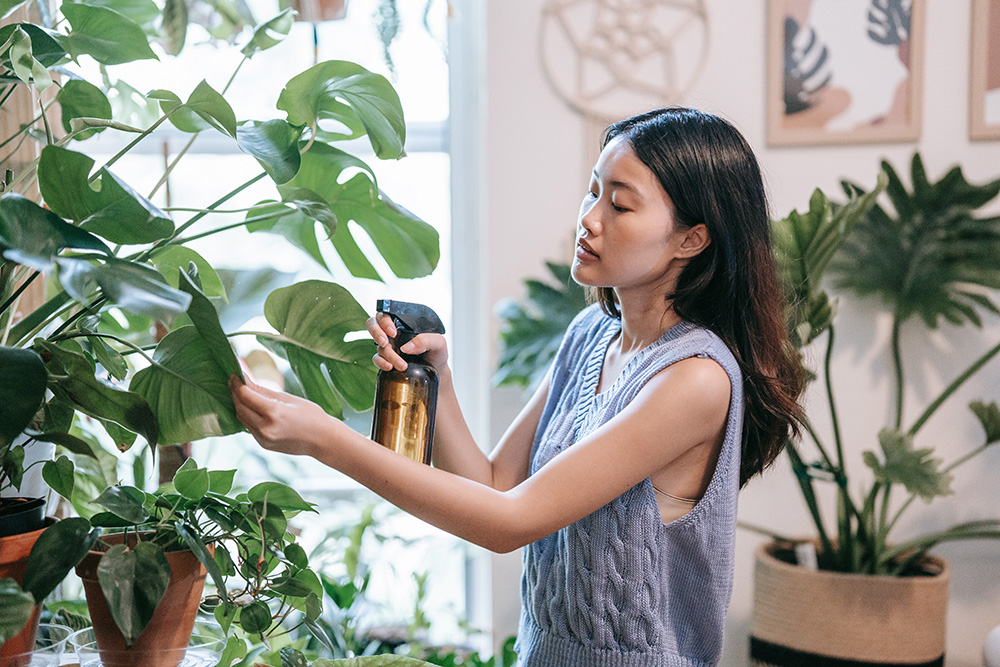 Home owners often have a garden or a collection of indoor plants. Whilst you are not normally expected to do extensive gardening work, you can be expected to water plants, mow the lawn, do some light trimming of shrubs, and ensure that the garden remains in good condition.
If you are lucky, you may even get to care for a vegetable garden and enjoy fresh produce during your stay!
Emergency Response
 As a house sitters, you would act as the first point of contact in case of emergencies. You would be responsible for contacting appropriate authorities or service providers in the event of a fire, flood, or any other emergency situation.
Home owners also appreciate it if you can address minor repairs or maintenance issues as they arise. Whether you tackle these issues yourself or engage the services of a professional depends on your level of confidence regarding the task at hand and what you have agreed with the homeowner.
Security
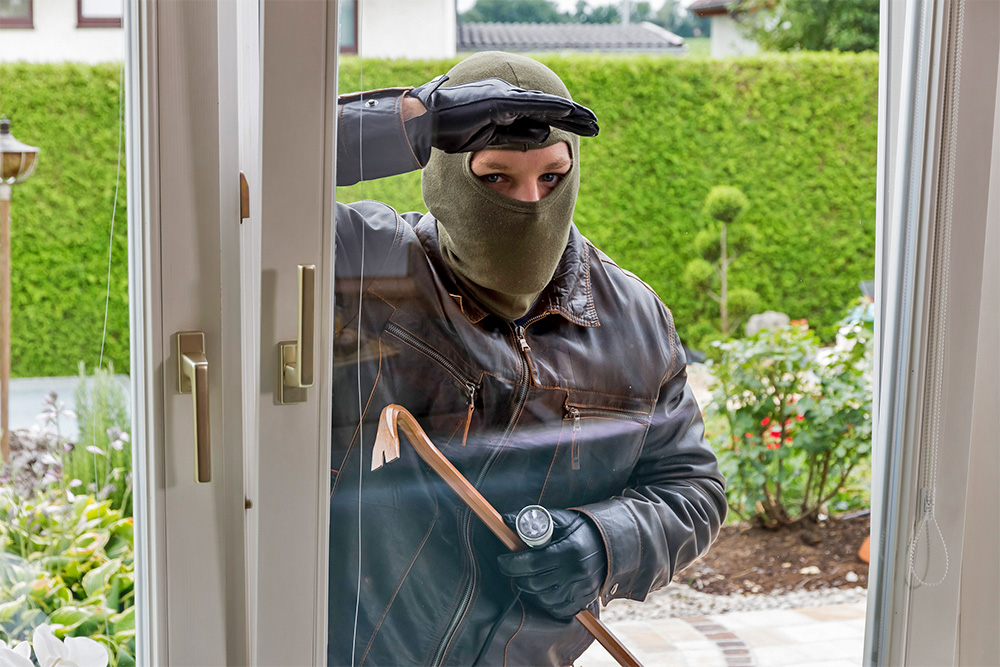 Visibly unoccupied houses are especially susceptible to break-ins, vandalism, and even squatters. House sitters offer a visible presence that deters potential threats, whilst at the same time ensuring that doors, windows, and alarm systems are functioning properly.
In some countries, home insurance policies often have clauses that restrict or limit coverage if the property remains vacant for an extended duration, potentially leaving the home owner vulnerable in case of any damages or incidents.